
Table of Contents
Dredging restores navigation depth, supports waterfront construction, removes accumulated sediment, and improves access to ports, marinas, rivers, and coastal facilities. However, removing sediment from the bottom is only part of the job. The material must also be characterized, transported, placed, monitored, and managed under applicable environmental requirements. Selecting among available sediment disposal methods requires a clear understanding of sediment quality, grain size, water content, project location, disposal capacity, transportation distance, permitting requirements, and potential beneficial uses. An effective disposal strategy begins during project planning rather than after dredging has already started.
Why Sediment Disposal Planning Matters
Dredged material can include clean sand, gravel, silt, clay, organic matter, debris, or sediment affected by industrial and urban contaminants. These materials cannot all be managed in the same way. Clean sand may be suitable for beach nourishment, while fine sediment from an industrial harbor may require controlled containment and long-term monitoring.
Disposal planning affects the type of dredge that can be used, the production rate, the transportation system, the project schedule, and the overall cost. A hydraulic dredge, for example, may pump sediment directly to a nearby containment area. A mechanical dredge may load sediment into barges for transport to an open-water site, processing facility, or upland location.
Placement capacity is another major concern. A nearby confined disposal facility may reduce transportation costs, but its available storage volume may be limited. An upland site may offer long-term containment, but the sediment may need to be dewatered before it can be handled by trucks. A beneficial use site may provide environmental value, but its construction schedule must align with the dredging operation.
For these reasons, sediment management should be treated as an integrated system that connects dredging, transportation, processing, placement, compliance, and monitoring.
Characterizing Sediment Before Disposal
Physical Characterization
Physical testing determines whether sediment consists primarily of sand, silt, clay, gravel, or a mixture of materials. Grain size affects how sediment behaves during dredging, transport, dewatering, placement, and long-term consolidation.
Coarse sand drains relatively quickly and may be suitable for beach nourishment, construction fill, shoreline restoration, or habitat creation. Fine-grained sediment retains more water, consolidates slowly, and may require larger containment areas. Fine particles may also bind contaminants more readily than coarse sand.
Engineers must also evaluate water content, density, organic content, settling behavior, and volume change. The volume measured in place on the channel bottom may differ from the volume handled after excavation because sediment can expand during dredging and shrink during dewatering or consolidation.
Chemical and Biological Testing
Chemical testing may evaluate metals, petroleum-related compounds, pesticides, polychlorinated biphenyls, nutrients, or other substances associated with the site’s history. The testing program depends on the proposed placement environment, known contamination sources, regional guidance, and regulator requirements.
For open-water or ocean placement, chemical results alone may not always be sufficient. Biological testing may be required to determine whether the material could produce unacceptable toxicity or bioaccumulation in aquatic organisms.
Sediment characterization should be designed around the intended disposal alternative. Testing requirements for ocean placement may differ from those for upland containment, beneficial use, or placement in inland waters. Early coordination with the appropriate U.S. Army Corps of Engineers district, Environmental Protection Agency region, state agencies, and site owners can prevent unnecessary sampling and project delays.
Comparing Major Sediment Disposal Methods
The correct method depends on whether the sediment is environmentally suitable for aquatic placement, whether containment is necessary, and whether the material can serve as a usable resource.
|
Disposal Method |
Typical Application |
Major Advantages |
Primary Constraints |
|---|---|---|---|
|
Confined disposal facilities |
Fine-grained or potentially contaminated sediment |
Controlled placement, settling, dewatering, and long-term containment |
Limited capacity, dike maintenance, effluent management, and land requirements |
|
Open-water disposal |
Sediment approved for placement in rivers, bays, lakes, or marine waters |
High production potential and limited land handling |
Strict suitability testing, designated sites, transport distance, and aquatic impacts |
|
Ocean disposal |
Material meeting federal marine protection criteria |
Can accommodate substantial volumes at designated sites |
MPRSA authorization, EPA concurrence, vessel tracking, weather, and haul distance |
|
Upland containment |
Sediment requiring isolation or dry-land management |
Greater control over material and possible future site reuse |
Dewatering, trucking, land acquisition, liners, drainage, and long-term responsibility |
|
Beneficial use sites |
Sediment suitable for habitat, shoreline, beach, or construction applications |
Converts sediment into a resource and may create public benefits |
Material specifications, timing, permits, site availability, and additional processing |
Confined Disposal Facilities
How CDFs Function
Confined disposal facilities, commonly called CDFs, are engineered containment areas designed to receive dredged material. They may be constructed along a shoreline, on upland property, or as diked structures located partly or entirely within the water.
Hydraulically dredged sediment is often pumped into a CDF as a slurry. Coarser particles settle first, while fine particles remain suspended longer. Water is released through controlled outlets after sufficient settling has occurred. The quality of this discharge must meet applicable permit and water-quality requirements.
As the sediment consolidates, water drains or evaporates, increasing the material’s strength and reducing its volume. Interior drainage channels, weirs, spillways, pumps, and staged placement operations may be used to improve settling and extend facility capacity.
Advantages and Constraints
CDFs are valuable when sediment cannot be placed directly into an open-water environment or when long-term containment is preferred. They also provide a controlled location for dewatering and may allow sediment to be excavated later for beneficial use.
Their main limitation is capacity. Fine sediment can require years to consolidate, and poor water management can reduce usable storage volume. Dikes must be inspected and maintained, while seepage, surface runoff, vegetation, erosion, and outlet performance may require long-term management.
Constructing a new CDF can require extensive geotechnical investigation, environmental review, property acquisition, permitting, and infrastructure investment. Therefore, preserving existing capacity is often a central objective in regional dredged material management plans.
Open-Water and Ocean Disposal
Open-Water Placement
Open-water disposal involves placing dredged material at an approved site within a river, lake, estuary, bay, or coastal environment. The method may use bottom-dump scows, split-hull barges, pipelines, or controlled mechanical placement.
Material must be suitable for the proposed aquatic environment. Regulators consider sediment chemistry, toxicity, potential bioaccumulation, grain size, currents, water depth, sensitive habitats, navigation, fisheries, and the expected behavior of the sediment after placement.
Operational controls may define where and when placement can occur. These controls may include seasonal restrictions, disposal coordinates, volume limits, vessel tracking, turbidity monitoring, placement sequencing, and restrictions intended to protect fish migration, spawning periods, shellfish areas, wetlands, or submerged aquatic vegetation.
Ocean Disposal Requirements
Ocean disposal of dredged material is regulated under the Marine Protection, Research, and Sanctuaries Act. USACE evaluates and authorizes ocean disposal of dredged material under Section 103, while EPA reviews proposed authorizations using federal marine protection criteria. EPA is also responsible for designating and managing ocean disposal sites.
The proposed sediment must be evaluated according to EPA’s ocean-dumping criteria and applicable testing guidance. For nonfederal dredging projects, applicants generally work through the local USACE district. EPA concurrence is required before USACE can authorize disposal when the material is transported for placement in ocean waters.
Ocean placement may be operationally efficient for large coastal projects, but hauling distance can make it expensive. Longer trips reduce the number of barge cycles completed each day and increase fuel, crew, equipment, and monitoring requirements. Weather and sea conditions may also interrupt disposal operations even when dredging can continue inside a protected harbor.
Upland Containment and Land-Based Disposal
Dewatering and Material Handling
Upland containment places sediment on land within engineered basins, landfills, processing facilities, former industrial areas, or other approved sites. This approach offers greater control over sediment, particularly when direct aquatic placement is not appropriate.
Freshly dredged sediment can contain a large amount of water. Hydraulic dredging produces a slurry that cannot normally be transported efficiently by truck without dewatering. Passive dewatering may use settling basins, drainage layers, evaporation, and gravity. Mechanical systems may use filter presses, belt presses, centrifuges, geotextile tubes, or other separation equipment.
Dewatering increases sediment strength and makes loading, hauling, stockpiling, treatment, and final placement more practical. However, separated water must be collected, tested when required, and discharged or treated under applicable permits.
Long-Term Containment Considerations
An upland site may require berms, liners, leachate controls, groundwater monitoring, stormwater systems, access roads, wheel-washing stations, and dust controls. The design depends on sediment characteristics, site geology, groundwater conditions, future land use, and state or federal waste requirements.
Sediment that meets applicable standards may sometimes be used for fill, grading, daily landfill cover, brownfield redevelopment, or construction products. Material that fails acceptance criteria may require treatment or placement in an appropriately permitted disposal facility.
The number of handling steps is important. Moving sediment from a dredge to a barge, from a barge to a dewatering pad, and from the pad to trucks increases cost and creates more opportunities for spills, odor, traffic, noise, and schedule delays.
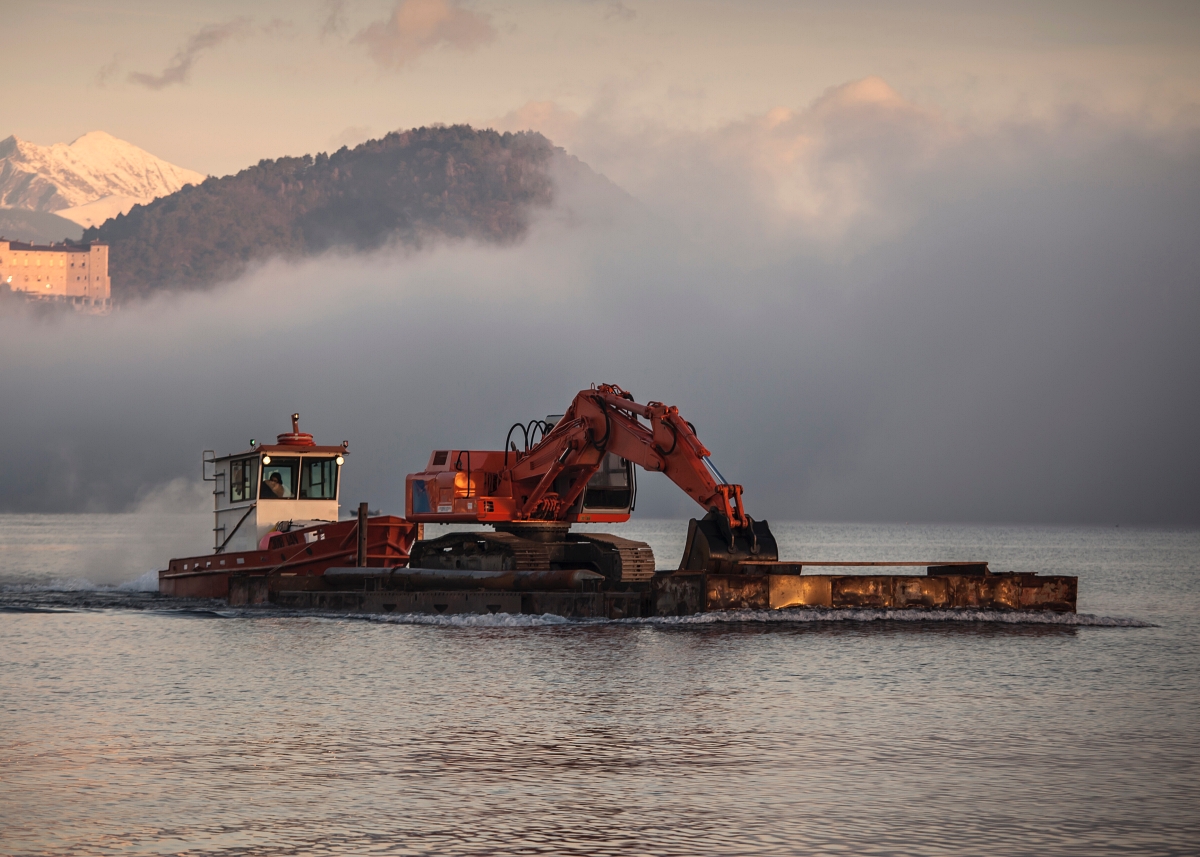
Confined disposal facilities provide controlled areas for settling, dewatering, and containing dredged sediment. Their capacity, drainage systems, and long-term maintenance can significantly affect project costs.
Beneficial Use Sites
Turning Sediment Into a Resource
Beneficial use places dredged material where it provides an engineering, environmental, or economic function. Common applications include beach nourishment, wetland restoration, island construction, shoreline stabilization, habitat development, landfill cover, mine reclamation, agricultural soil improvement, and construction fill.
Not every material is suitable for every use. Beach nourishment generally requires sediment that is compatible with the receiving beach. Wetland projects may need fine sediment with specific elevation and consolidation characteristics. Structural fill may require processing, blending, drying, or verification of engineering properties.
The receiving site must also be ready when dredging begins. A promising beneficial use concept may fail if the site lacks permits, containment structures, access, funding, or sufficient capacity. Successful projects typically coordinate sediment supply and site demand several years in advance.
Environmental Value and Practical Limits
Beneficial use can preserve CDF capacity, reduce demand for virgin fill, restore eroding habitats, and keep sediment within the natural watershed or coastal system. It can also support resilience by increasing marsh elevation, rebuilding islands, or nourishing shorelines.
However, beneficial use is not automatically the least-cost alternative. A restoration site may require dikes, planting, grading, surveys, habitat monitoring, or precise thin-layer placement. Project sponsors must compare these added costs with the value of the resulting environmental and infrastructure benefits.
Logistics and Cost Drivers
Transportation frequently determines whether a disposal option is practical. A low-cost placement site can become expensive when it is located far from the dredging area. The dredge, pipeline, booster pumps, barges, tugboats, unloading equipment, trucks, and receiving facility must operate as a coordinated system.
|
Cost Factor |
How It Affects Disposal Planning |
|---|---|
|
Haul distance |
Increases fuel use, cycle time, crew hours, and required barge capacity |
|
Sediment water content |
Raises transport volume and may require dewatering |
|
Contamination level |
May require specialized handling, treatment, containment, and monitoring |
|
Placement-site capacity |
Can limit production or require multiple disposal destinations |
|
Site access |
Affects pipeline routes, road improvements, unloading equipment, and truck traffic |
|
Environmental restrictions |
May shorten work windows or require additional controls |
|
Monitoring requirements |
Adds sampling, surveying, vessel tracking, reporting, and laboratory costs |
|
Rehandling |
Increases equipment use, labor, spill risk, and schedule complexity |
Mechanical dredging may be appropriate when sediment must be carefully removed and transported by barge. Hydraulic dredging can provide continuous production when a pipeline route to the placement site is available. Hopper dredges are well suited to certain navigation projects but depend on access to an approved placement site and efficient sailing cycles.
Contract documents should clearly define acceptable placement locations, sediment classifications, pay quantities, environmental controls, reporting responsibilities, and procedures for material that differs from expected conditions.
Environmental Constraints and Monitoring
Sediment disposal may affect water quality, benthic organisms, fisheries, wetlands, wildlife, navigation, nearby communities, and cultural resources. The severity of these effects depends on the sediment, placement method, receiving environment, and timing of operations.
Turbidity is a common concern because dredging and placement can suspend fine particles. Controls may include adjusted production rates, controlled barge release, pipeline diffusers, silt curtains in suitable conditions, real-time monitoring, or temporary shutdown thresholds.
CDF and upland projects must manage return water, runoff, seepage, erosion, dust, noise, and truck traffic. Open-water sites may require bathymetric surveys, sediment-profile imaging, biological monitoring, or confirmation that material remains within authorized boundaries.
Monitoring requirements should be tied to specific project risks. Collecting data without clear decision thresholds can increase cost without improving environmental performance. A strong monitoring plan identifies what will be measured, where it will be measured, what constitutes a problem, and what corrective action will follow.
USACE and EPA Guidelines
Clean Water Act Requirements
Discharges of dredged or fill material into waters of the United States are generally evaluated under Section 404 of the Clean Water Act. USACE administers the permit program, while EPA develops the Section 404(b)(1) Guidelines used to evaluate environmental effects.
The review considers whether a practicable alternative would cause less adverse impact to the aquatic ecosystem, provided that alternative does not create other significant environmental consequences. Projects may also require state water-quality certification under Section 401 and compliance with state coastal, wetland, and sediment-management requirements.
Marine Protection Requirements
When dredged material is transported for disposal in ocean waters, the MPRSA framework applies. USACE evaluates permit applications and federal projects under Section 103. EPA reviews the proposed action, determines whether the material meets marine protection criteria, and may concur, concur with conditions, or decline to concur.
The EPA and USACE Ocean Testing Manual provides a national framework for evaluating dredged material proposed for ocean disposal. Regional requirements may supplement the national manual based on local sediment conditions, disposal-site management plans, and agency experience.
Long-Term Management Planning
USACE dredged material management plans evaluate long-term placement needs for navigation projects. These plans may examine CDF capacity, open-water sites, beneficial use opportunities, transportation systems, future dredging volumes, environmental impacts, and lifecycle costs.
Early agency coordination is essential. A disposal method that appears technically possible may not be environmentally acceptable or permitted within the required schedule. Project teams should confirm testing protocols, data validity periods, seasonal restrictions, and site acceptance conditions before finalizing plans and bidding the work.
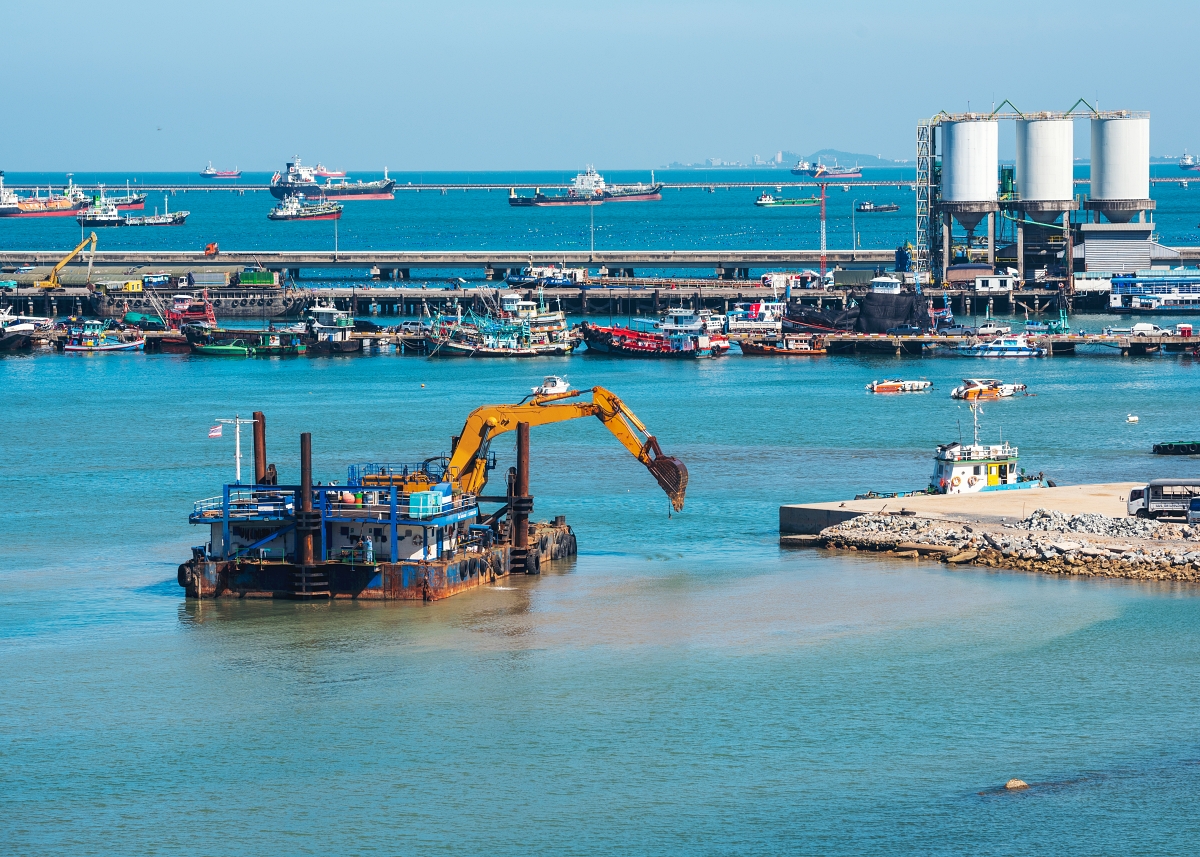
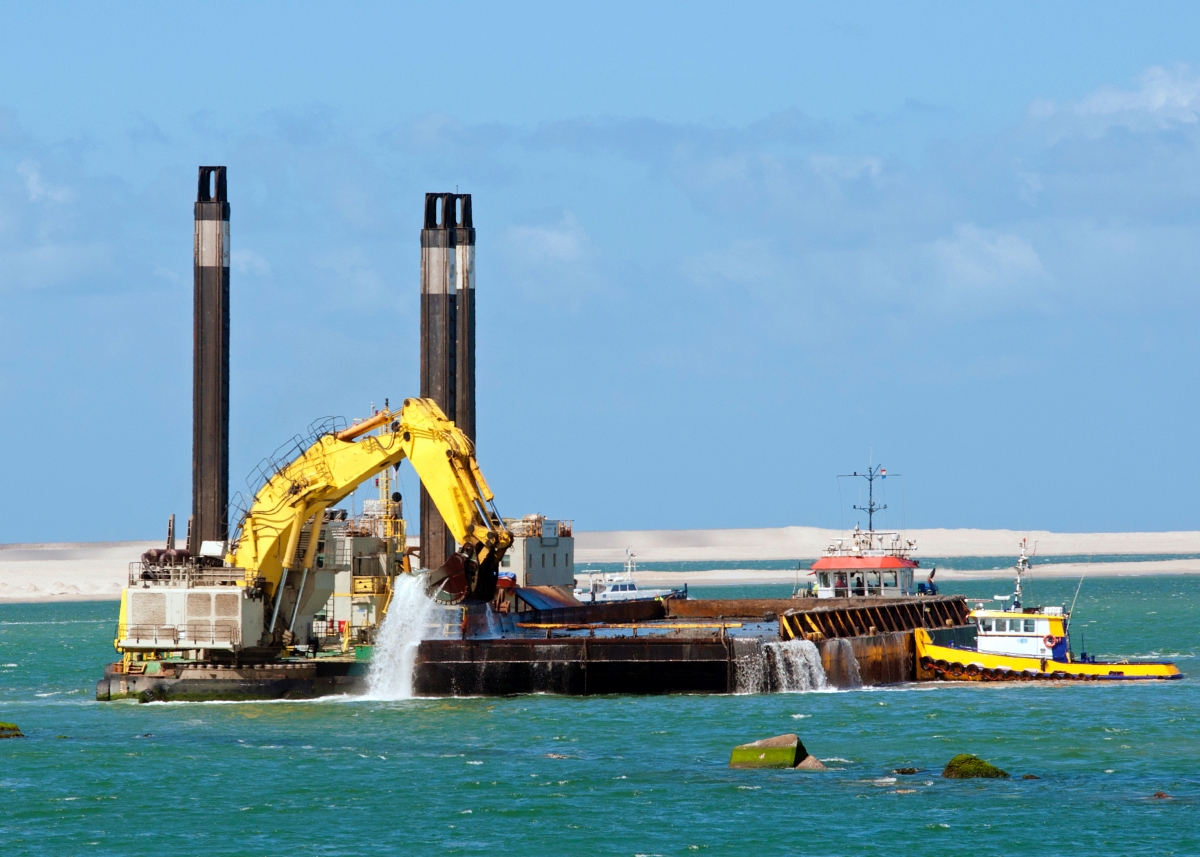
Beneficial use can turn suitable dredged sediment into material for beach nourishment, wetland restoration, and shoreline protection. Successful projects depend on sediment quality, site readiness, permits, and transportation logistics.
Building an Effective Disposal Strategy
The best sediment strategy rarely depends on a single factor. It balances environmental suitability, regulatory acceptance, transportation efficiency, placement capacity, project timing, community impacts, and long-term cost.
Planning should begin by estimating dredging volume and characterizing the sediment. The project team can then screen open-water placement, confined disposal, upland containment, and beneficial use alternatives. Each feasible alternative should be evaluated as a complete operational system rather than as an isolated disposal site.
Contingency capacity is also important. Weather, failed equipment, unexpected sediment conditions, permit restrictions, or unavailable beneficial use sites can interrupt placement. Identifying secondary sites or temporary storage options can protect the dredging schedule.
Ultimately, successful sediment disposal methods treat dredged material as a managed resource with physical, environmental, and economic value. When characterization, logistics, permitting, and placement are coordinated early, dredging projects can maintain navigation and infrastructure while reducing risk, controlling cost, and creating lasting environmental benefits.